 Brightness
 Contrast
 Saturation
 Black and white
 Color picker
 Sketch
 Glitch
 Video to MP3
 Cut video
 Compress video
 MOV to MP4
 Video to JPG
 Add subtitles
 Audio cutter
 Audio converter
 Video volume
 Loop video
 Reverse video
 Audio to video
 Voice recorder
 AI image checker
 Cropped photo checker
 Office picture extractor
 Remove EXIF data
 Mic test
 Webcam test
 QR code generator
Checked against your photo
Every paid result is compared with your photo: the same people, the same faces, the damage gone, and nothing added or lost.
 PDF to PNGNewPDF to JPGNew
 Application photo kit
 CompressCompress to KBNewJPG to PDFNew
 ConvertPNG to JPGJPG to PNGPNG to WebPWebP to PNGJPG to WebPWebP to JPGAVIF to JPGAVIF to PNGSVG to PNGNewPNG to ICONew
 WebP to GIFNewHEIC to JPGNewGIF makerNew
 GIF background removerNewGIF compressorNewGIF resizerNewCrop GIFNewAdd text to GIFNewGIF speedNewReverse GIFNewGIF to PNGNew
 Uncrop a photo
 AI image extender
 Change aspect ratio
 Portrait to landscape
 Landscape to portrait
 Instagram no crop
 WhatsApp DP without cropYouTube thumbnail resizerYouTube banner resizerLinkedIn banner resizerFacebook cover photo resizerX (Twitter) header resizerDiscord banner resizerTwitch banner resizerProfile picture maker
 Crop an image online
 Circle crop
 Resize an imagePassport photo maker
 Image splitter
 Combine imagesID card front and back on one page
 Blur faces in photos
 Blur image
 Rotate an image
 Flip an image
 Add text to an image
 Add a frame to a photoAI Christmas photoPhoto restoration
 Colorize photo
 Photo enhancer
 Round image corners
 Remove a simple background
 Signature background remover
 Signature generatorPDF to PNGPDF to JPGApplication photo and signature kitCompress an imageCompress image to KBJPG to PDFConvert image formatPNG to JPG converterJPG to PNG converterPNG to WebP converterWebP to PNG converterJPG to WebP converterWebP to JPG converterAVIF to JPG converterAVIF to PNG converterSVG to PNGPNG to ICOWebP to GIFHEIC to JPG converterGIF makerGIF background removerGIF compressorGIF resizerCrop GIFAdd text to GIFGIF speed changerReverse GIFGIF to PNG

Restore old photos with AI
Open an old, faded, scratched or torn photo and press one button. Our AI takes out the damage, brings back the contrast and, if you like, colorizes black and white, while it is told to keep every face as it is. No prompts to type.
Compare it with your photo before you share or print it: our AI keeps faces as they are most of the time, but it redraws detail it cannot see, so results vary. The file is marked in its metadata as made with AI.
Every account gets a free try of Best. After it, Best (5 credits a run) and Max (8 credits a run) open with a credit pack.
Pay once, use for 12 months. Tax included. Never renews.
Ads stay off while you are signed in.
Sign in to buyWe email you tips and news about our tools. Unsubscribe anytime.
Compare the packsRestoring needs Best or Max: Max paints about twice the size, for prints. Every free account gets a free try of Best.
Paid runs get our quality pass. We check each restored photo against yours, and when it falls short we make it again automatically and let you pick the better one, at no extra cost. The free try gets it too.
Christmas frameNew Year frame Vintage frameAdd a frameAdjust photoResize Open a photo first, then pick the next step. Your edit carries over and stays on this device. You do not need to retouch anything by hand or write a prompt. Pick what to fix, and our AI repairs the photo while it keeps the people, the poses and the framing as they are.
We aged one of our own sample photos on purpose, with sepia toning, fading, scratches, dust, a stain and a fold, then pressed Restore my photo on a free try of Best. The After picture is what came back, shown smaller here.
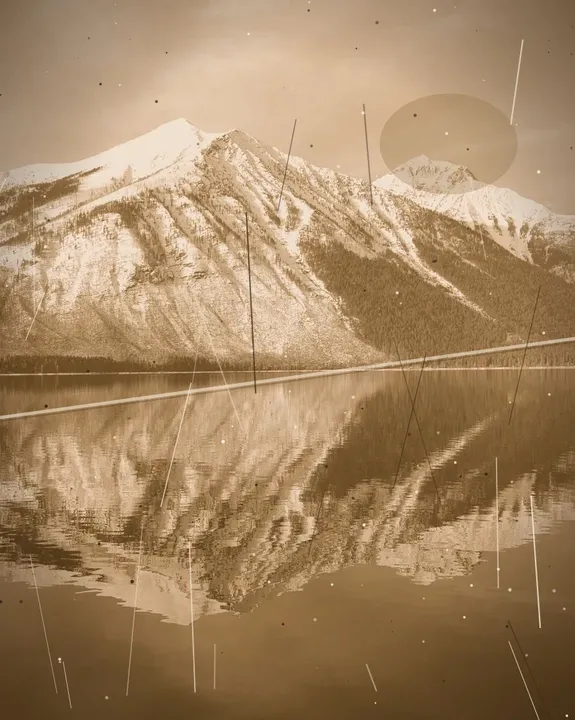
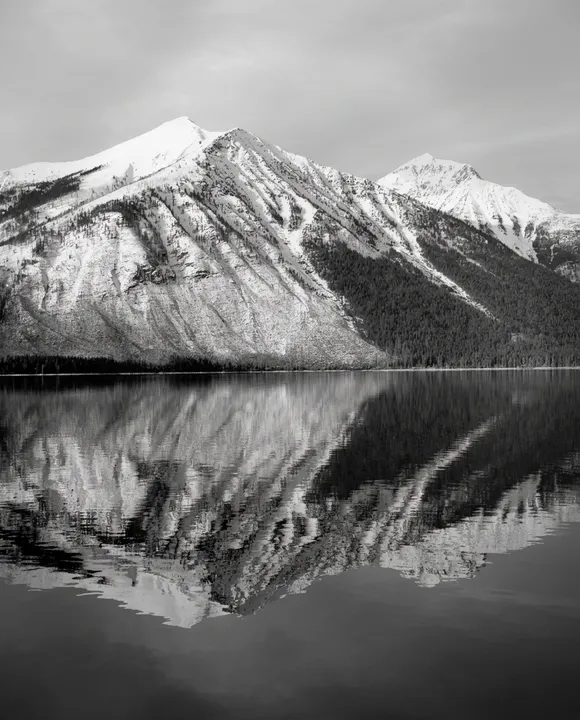
One run, not the best of several. Results vary from photo to photo: a real old print can be harder than damage we drew. Paid runs also get our quality pass.
Old photos are hard to restore, and image AI does not always get it right the first time. So on every paid Best and Max run, and on the free try, we check the restored photo against yours before you see it. If damage is left, a face changed or something was added, we make it again automatically with what needs fixing, and show you both, our pick first. It costs nothing extra.
Every paid result is compared with your photo: the same people, the same faces, the damage gone, and nothing added or lost.
A result that misses something gets a second try, aimed at exactly what went wrong, with no extra credits and nothing for you to do.
After a second try you get both pictures, our pick first. If every picture turns out not to be your photo, your credits come back.
Scratches, cracks, creases and fold lines, dust and spots, stains and water marks, and small tears or missing corners, filled in to match what is around them.
Washed-out contrast, yellowing and sepia tints. Restore keeps a black and white photo black and white; restore and colorize gives it natural color.
Bring back a face or a detail that is gone: it fills a lost part plainly and does not invent. A very blurry face may come out slightly different, so compare before you print.
A flatbed scan at 600 DPI gives our AI the most to work with. With a phone, lay the print flat in daylight, hold the phone straight above it and avoid glare and shadows.
Glass and album film add reflections that look like damage. Take the print out if you safely can, and crop away the table around it first with crop image.
The bigger each face is in the photo, the better our AI keeps it. For a group photo, use Max, and check every face before you share it.
When it is done, press Vintage frame under Continue with this photo to give it an old print border with a handwritten date or an antique oval mount, or pick any design in add a frame to a photo. The frames are free and made on your device.
Most can. Our AI takes out scratches, cracks, creases, fold lines, dust, spots, stains and water marks, fixes fading and color casts, and fills small torn or missing parts so they match what is around them. It works from what it can see: where a face or a detail is gone, it can only fill it in plainly, so a badly damaged photo comes back cleaner, not new. The larger and sharper your scan, the more it has to keep.
Every free account gets a free try of Best, used only when a picture comes back. It is one free try for all our photo AI tools, such as colorize and AI uncrop, so you choose where to use it. The page shows whether yours is ready. After it, Best and Max open once your account has credits from a pack you bought: 5 credits a run on Best and 8 on Max. There is no free daily restore: each one runs on our paid image AI. Paid runs and the free try also get our quality pass.
Every paid run on Best or Max is checked against your photo once it is restored: we look for damage left behind, faces that changed, and anything added or lost. When the result falls short, we make it again automatically with what needs fixing, then show you both, our pick first, so you can keep the one you like. It costs nothing extra, it can take a few minutes, and if every picture we make turns out not to be your photo, your credits come back. The free try gets it too.
Here, 5 credits at Best or 8 at Max, from a credit pack (see pricing), after your free try. A run that gives no picture uses nothing. A photo restorer in a shop does the work by hand and can reconstruct what is lost, which our AI cannot; for an irreplaceable or badly torn photo, that may still be worth it.
We ask our AI to keep every person and animal exactly as they are: the same faces, expressions, eyes, hair, glasses, age and body shape, in the same places, and not to beautify, slim or redraw anyone. Image AI still redraws the whole picture, so results vary: a small, blurry or damaged face can come out slightly different from the real person. Treat the result as a picture to enjoy and share, not as a record. Check it before you print it, and keep your original scan.
Yes, pick Restore and colorize. Our AI gives the photo natural, believable colors, as a color photograph of that moment might have had. The colors are a guess: it cannot know the real color of a dress or a car. To keep a black and white photo black and white, pick Restore: it removes damage and any yellow or sepia tint, and keeps clean grays.
Our AI's safety filter turns down photos with nudity, violence or other adult content, and it may also turn down ordinary photos, such as some photos with children. When it does, nothing is used: credits come back and the free try stays yours. If a picture comes back that does not match your photo, we do not show it; please write to us through the contact page.
Nothing is sent until you press the button. Then your browser sends a copy of the photo, at most 1,024 pixels on its long side, without its location, camera details or file name, with your choice of Restore or Restore and colorize, to uncrop.si, which passes it to one of our AI partners; on a paid run or the free try, the photo and the restored pictures also go to another of our AI partners, which checks them. The restored picture comes back to your browser. We keep neither, only a record of the run: the choice, the time it took, what it cost and, on a paid run or the free try, the scores of the quality pass. See privacy.
Your photo is cut to the closest shape our AI paints, such as 4:3, 3:4, 1:1 or 16:9, centered, so a thin strip at an edge may be left out. Best paints about 1,000 to 1,600 pixels on the long side, good for screens and small prints, and Max about 2,000 to 3,200, for larger prints.
Yes. The JPG carries the IPTC "digital source type" label for a picture that combines a photo with AI-generated parts, in its XMP metadata, and its name ends in ai. Our AI image checker reads that label. Please say it was restored with AI when you share it.
Colorize photo Turn a black and white photo into color: our AI adds natural, believable color and cleans up scratches and fading. AI Photo enhancer Unblur, sharpen and enlarge a photo: free on your device, or redrawn sharp by our AI on Best and Max. New Make a vintage photo frame An old print with a deckled edge and a handwritten date, or an antique oval card mount. Add a frame to a photo Borders plus birthday, festival and floral frames.